
Fitness is changing. For years, athletes tended to specialize: runners chased endurance, lifters pursued strength, and CrossFitters thrived in varied high-intensity environments. But a new movement is taking over gyms and event arenas worldwide: hybrid training. This style of training blends raw strength with cardiovascular endurance through functional stations that mimic real-world performance.
Whether it’s pushing a heavy sled, running intervals, or grinding through wall balls, hybrid athletes are proving that the fittest competitors are those who can do it all. Events inspired by HYROX and DEKA are gaining massive traction, attracting thousands of participants from recreational beginners to elite competitors. The future of fitness is looking hybrid — and here’s why.
What is Hybrid Training?
Strength Meets Endurance
At its core, hybrid training is the combination of resistance training with aerobic capacity. The concept is not new — athletes in combat sports, rowing, and military training have long balanced strength with endurance — but what makes hybrid training unique is the way it organizes both elements into structured events.
Functional Stations
Hybrid competitions are defined by stations that blend strength, conditioning, and skill. A typical event might look like this:
- Run 1 km
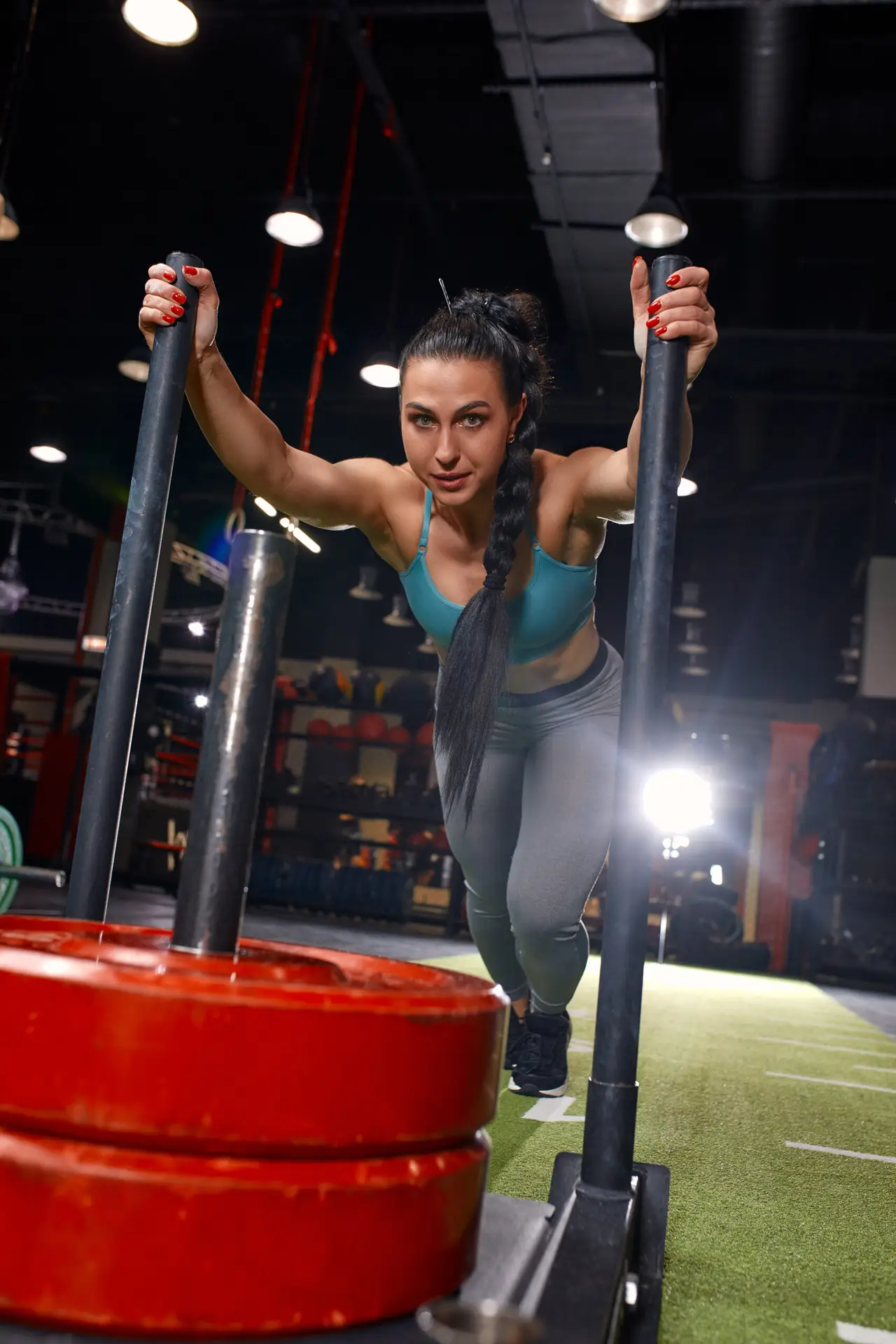
- Push a weighted sled
- Run again
- Pull a sled
- Perform a ski-erg or row
- Carry heavy weights
- Knock out 100 wall balls
The repetition of running between functional stations makes hybrid races both predictable and brutally effective at testing total fitness.
Why Hybrid Training is Exploding in Popularity
Accessible to All Levels
Unlike ultra-marathons or powerlifting meets, hybrid competitions are designed to be approachable. Athletes can scale weights, take longer rest periods, or simply focus on finishing rather than chasing podium times. This inclusivity is fueling rapid growth — participants don’t need to be specialists; they just need to be willing to train consistently.
Community & Competition
There’s a unique camaraderie in hybrid events. Picture hundreds of athletes racing the clock together, cheering each other on at the sled station or during the final wall balls. It feels like running a marathon, but with the energy and intensity of functional training. That sense of belonging is one of the biggest draws.
Clear Metrics
Hybrid races are also refreshingly straightforward. Times, distances, and reps are standardized, which makes progress easy to track. Unlike some competitions that rely on complex scoring systems, here it’s simple: finish the stations as fast as possible.
Benefits of Combined Functional Training
- Balanced Development
Athletes improve cardiovascular health without sacrificing muscle or strength. - Real-World Carryover
Movements like sled pushes, carries, and runs translate directly into daily performance. - Resilience & Longevity
A combination of strength and endurance reduces injury risk by avoiding over-specialization. - Mental Toughness
Alternating between stations builds grit, pacing skills, and focus under fatigue. - Versatility
Whether your goal is fat loss, muscle gain, or race performance, hybrid training covers it all.
How to Start Hybrid Training?
Focus on Fundamentals
You don’t need fancy equipment to begin. Running, bodyweight exercises, and basic strength training (squats, deadlifts, presses) create the foundation.
Train for Efficiency
In hybrid sports, pacing is king. Learning how to manage effort across multiple stations is more important than hitting a single PR. Workouts that combine steady runs with functional movements mimic race conditions.
Follow a Structured Program
Improvising can only take you so far. Structured programming ensures balance, prevents overtraining, and progressively develops both strength and endurance. Athletes following plans tailored to hybrid competition consistently report better race times and fewer injuries.
How to Prepare for a Hybrid Fitness Competition
Set Realistic Goals
Your first event isn’t about beating elite times. Focus on finishing strong, learning pacing, and understanding where your weaknesses are.
Balance Training & Recovery
Hybrid training is demanding. Overloading on both running and lifting quickly leads to burnout. Incorporate active recovery, mobility, and proper sleep into your plan.
Don’t Neglect Strength
Many new athletes double down on running volume, thinking endurance will carry them. But sled pushes, wall balls, and carries demand raw strength. Keep lifting heavy at least twice a week.
Hybrid Training vs. Traditional Gym Workouts
Traditional gym splits often isolate muscles: chest day, back day, leg day. While effective for aesthetics, they don’t build the same kind of well-rounded fitness. Hybrid training, on the other hand, uses compound movements under fatigue and combines them with running or rowing. The result is performance that shows up not just on the competition floor, but in everyday life.
Hybrid Training for Different Goals
- For Beginners: Build a base of 3–4 sessions per week, mixing light runs and functional strength.
- For Weight Loss: The constant alternation between strength and cardio maximizes calorie burn.
- For Performance Athletes: Structured cycles, tapering before races, and focused station practice improve event times.
Common Mistakes to Avoid
- Doing Too Much Too Soon
Athletes often increase volume too aggressively. Progress gradually.
2. Ignoring Weak Stations
If sled pulls drain you, train them more — not less. Weak links determine total race time.
3. Skipping Recovery
Without proper rest, hybrid training quickly becomes unsustainable.
The Role of Coaching & Programming
While hybrid training can be self-directed, most athletes benefit from structured programming designed specifically for these competitions. Good coaching balances volume, intensity, and skill practice. Programs also build in tapering phases so athletes peak at the right time.
Final Thoughts
Hybrid training is no longer a fringe experiment; it’s becoming the new standard of fitness competition. By blending endurance with strength and testing athletes through functional stations, it provides one of the most complete assessments of athletic ability available today.
Whether you’re a casual gym-goer seeking a challenge, or a competitive athlete chasing your next PR, hybrid training offers a path to discover your true potential. The future of fitness is hybrid — and it’s already here.
Start your 7-day free trial today and experience hybrid training for yourself.